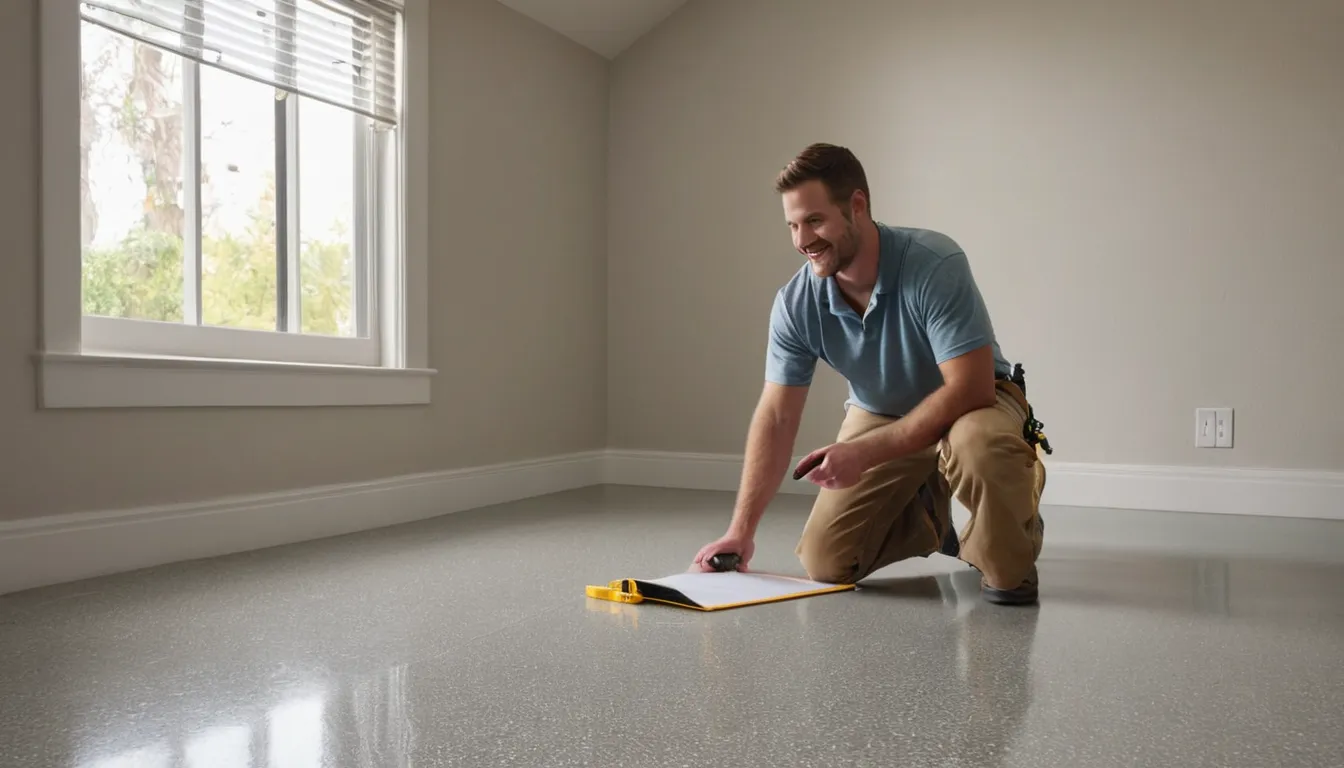
Concrete Floor Coating for Worn, Dusty or Cracked Floors
Request an estimate today
A bare concrete floor takes a beating. Salt, damp, tire marks, spilled oil and years of foot traffic leave it dusty, stained and rough. A coating seals the surface, hides blemishes and makes cleanup easier. It works in garages, basements, porches, laundry rooms and workshops.
Swedishgarden Floor Coating is a referral service. We do not coat floors. We match your request with independent providers in our network who grind, repair and coat concrete with pro machines. You can sweep, snap photos and take notes first. That helps every estimate go faster and stay more accurate.
Concrete showing wear? Start here
Some floor problems can wait. Some cannot. Start with a slow walk across the slab. Look for loose chips, deep cracks, raised edges and damp patches. Those come first.
Then look at the plain wear. Dust on your shoes, stains and a rough, chalky top are all signs the surface is tired.
Fix the safety problems first
A lifted edge or a crumbling spot can trip someone. Mark it with painter's tape. Keep kids and pets off it. Then take a clear photo with a coin or tape measure beside it.
This is a good place to know where to stop. Sweeping and marking are yours. Grinding down a raised edge is not.
Check for moisture before anything else
Moisture is the top reason coatings fail. Tape a one-foot square of clear plastic to the slab. Seal all four edges. Leave it for a day or two. If you see fog or dark damp spots underneath, tell the provider.
A flooded basement from a burst pipe is a different case. Some policies may cover sudden damage, so check your policy. Providers can often help document damage for a claim.
What a concrete coating actually does
A coating is a layer bonded to the slab. It fills tiny pores, blocks dust and resists stains. Many styles also add grip. Some add color flakes or custom floor finishes, like a solid tone or a speckled blend.
Think of it as a shield. It does not fix a cracked or sinking slab. That needs repair first.
Basement floors
Basements in colonial and split-level homes often stay cool and damp. Humid summers make it worse. Moisture pushes up through the slab and can lift a weak coating.
Ask the provider how they test for moisture. Ask which primer or coating type suits a basement. Clear out the room, check for leaks near walls, and note where water has pooled.
Garages, patios and porches
Garage slabs face tires, road salt and freeze-thaw swings. If you want epoxy garage floors, that has its own page here. This page covers wider concrete coating needs.
Patios and porches add sun and rain. Ask the provider about slip-resistant finishes for wet days. Sweep and rinse the area so the provider can see the real surface.
Workshops, laundry rooms and utility spaces
A workshop floor sees dropped tools, oil and grit. A laundry room sees water and detergent. Both do well with a tough, wipe-clean coating.
Move what you can. Leave heavy machines in place and tell the provider. They can plan around them.
What you can safely do yourself
You can do the easy prep. Sweep, snap, send. Here is the list:
- Clear the floor of boxes, rugs and loose items
- Sweep and vacuum the dust
- Note oil stains and cracks with photos
- Measure the length and width
- Mark leaks or damp spots
Stop there. The rest needs tools you likely do not own.
Where a provider's machines take over
Good coatings start with grinding. A diamond grinder opens the pores in the concrete so the coating can bite. Hardware-store scrubbing rarely does that well.
Providers also use industrial vacuums, crack fillers and mixing gear. Rolled-on coating dries on a clock. Mistakes show for years. This is why most DIY coatings peel.
How the work is usually done
A typical job runs in stages. The provider grinds the slab, repairs cracks and cleans up the dust. Then they apply a primer, the main coating and often a clear topcoat.
Each layer needs cure time. The floor may feel dry long before it can take weight. Follow the provider's timeline for foot traffic and vehicles.
Coating or sealer?
A sealer soaks in or sits thin on top. It costs less and helps with dust and light stains. A coating is thicker and tougher. It hides more flaws and takes more wear.
For a lightly used floor, a sealer may be enough. For a floor with heavy use or deep stains, ask about a full coating.
Planning other floors in the same project
Many homeowners update more than one space at once. You might coat the basement slab and plan hardwood flooring installation upstairs. Mention both when you request an estimate. Providers in the network handle different flooring work, so share your whole plan.
Living with your coated floor
A coated floor is easy to care for. Sweep often. Mop with mild cleaner. Wipe spills soon. Use mats at doors to catch winter salt and grit.
Avoid dragging heavy items. Lift them or use felt pads. Ask the provider about cure time before you park or set furniture back.
Notes before quotes
Good records save time. Keep your photos, measurements and notes in one folder. Write the date next to each photo.
If damage came from a sudden event, keep receipts and repair notes. Providers can often help document damage for a claim.
Questions to ask the provider
Have a short list ready when you talk to a provider:
- How will you prep the slab?
- How do you test for moisture?
- What coating system do you suggest and why?
- How long before I can walk and drive on it?
- What does the quote include in writing?
What's Included
Grinding and Surface Prep
A provider grinds the slab so the coating can bond, then cleans away dust.
Crack and Joint Repair
Cracks, chips and pitted spots get filled and leveled before any coating goes on.
Coating and Topcoat
Primer, color or flake coat, and a clear topcoat add strength, shine and easier cleaning.
Custom Floor Finishes
Ask about solid colors, flake blends or metallic looks, plus slip-resistant options for wet areas.
Typical Concrete Coating Costs
Prices vary by slab condition, size, coating type and local rates. These are typical U.S. ranges only. Photos and measurements help a provider quote closer to the real job. Always ask for a written quote.
| Item | Typical range | Notes |
|---|---|---|
| Diamond grinding and prep | $1 – $3 per sq ft | Often needed for good bonding |
| Crack and joint repair | $200 – $800 | Depends on how many cracks |
| Moisture primer or barrier | $1 – $4 per sq ft | Common in basements |
| Standard concrete coating | $3 – $8 per sq ft | Solid color, light wear |
| Flake or custom floor finishes | $6 – $12 per sq ft | More labor and layers |
| Concrete sealer only | $1 – $3 per sq ft | Thinner protection |
How It Works
Sweep and Snap
Clear the floor, sweep it, then take clear photos of cracks, stains and damp spots.
Send Your Request
Fill out the form with your photos, room size and goals for the floor.
Compare Provider Estimates
Providers in our network review your notes and send written estimates.
Pick and Schedule
Choose a provider, confirm prep and cure times, and set a start date.
Why Call Swedishgarden Floor Coating
Matched to Your Request
Tell us about your floor once, and we pass it to independent providers in our network.
Honest Roles
We are a referral service. Providers do the grinding and coating, not us.
Prepared Estimates
Photos and notes help providers understand your slab before they quote.
No Pressure
Request an estimate, compare, and decide at your pace. No obligation.
Other Services
Need concrete floor coating in Hampstead?
Send a request with a few photos and notes about your floor. A local provider in our network can follow up with questions and next steps.
No obligationConcrete Floor Coating FAQ
How long does a coated concrete floor last?
It depends on prep, moisture, traffic and coating type. A well-prepped coating can last many years. Poor prep or a damp slab can cause peeling much sooner. Ask your provider about expected wear.
Can I coat my concrete floor myself?
You can sweep, clear and take notes. Proper grinding and mixing usually need pro tools. DIY kits often peel when prep is thin, so many homeowners hand off the coating step.
Can you coat a damp basement slab?
Sometimes, but moisture must be tested first. A provider may suggest a moisture primer or a fix for leaks before coating. Skipping this step is a common cause of bubbling and peeling.
Get in touch
Send a request with a few photos and notes about your floor. A local provider in our network can follow up with questions and next steps.
No obligation