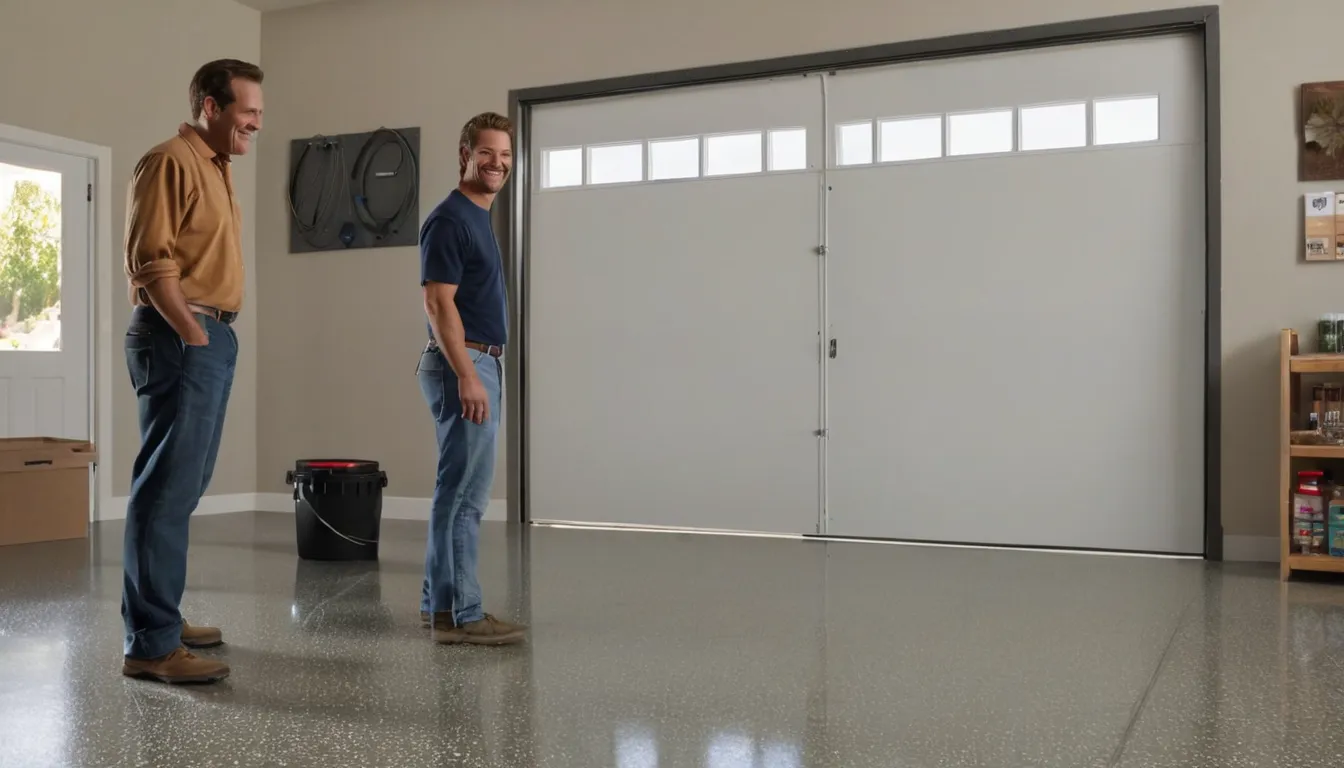
Polyaspartic Floor Coating for Your Concrete
Request an estimate today
Polyaspartic is a tough, clear or colored coating that cures fast and handles sun, salt and tire marks well. Many homeowners pick it for a garage that needs to be back in use quickly, or for a slab that sees heavy wear.
Swedishgarden Floor Coating is a referral service. We do not do the work. We match your request with independent providers in our network who install polyaspartic floors in the Hampstead area. Sweep, snap photos, and jot notes first. Then request an estimate and compare what each provider offers.
Need Your Garage Back Quickly?
This is the first question most people ask. Polyaspartic cures faster than traditional epoxy. Many providers can finish a garage floor in a day or two, depending on the system and the weather.
That speed is the main reason people choose it. You still need a dry, clean, well-prepped slab. A fast coating on a bad surface will fail fast too.
Do This Before You Call Anyone
A little prep work makes your first estimate much more useful. Here is what a handy homeowner can safely do.
- Sweep and clear the floor. Move bikes, shelves and boxes out.
- Snap photos of cracks, stains, pits and flaking paint.
- Measure the length and width, then note the square footage.
- Note oil spots, rust marks, and any damp patches after rain.
- Write down any old coating you know about.
Notes before quotes. Providers can price a job more clearly when you send clear photos and numbers. Keep them in one folder so you can find them later.
Know Where to Stop
You can clean, clear and document. You should not try to apply polyaspartic yourself. It sets up in minutes, not hours, and a mistake is hard to fix.
The real work needs machines. Grinders with dust control, industrial vacuums and the right mixing gear are not rental-shelf basics. Crack repair and moisture checks also take skill. This is where a provider earns the fee.
How Polyaspartic Differs From Epoxy
Both are floor coatings. They act differently on the slab.
- Cure time: polyaspartic sets much faster.
- Sunlight: it resists yellowing better, which suits sunny garages.
- Working time: it gives the installer less time, so skill matters more.
- Cost: materials often run higher than basic epoxy.
Some providers use both. They lay an epoxy base and top it with polyaspartic. Ask which approach fits your floor.
Full Polyaspartic or Hybrid System?
A full system uses polyaspartic in each coat. A hybrid uses epoxy underneath and polyaspartic on top.
A hybrid can lower the price and still give a tough, clear finish. A full system can mean fewer layers and a shorter job. Neither is right for every slab. Ask the provider why they suggest one over the other.
The Installation Process
Expect these stages. Each one needs trained hands and the right tools.
Grinding the Surface
The provider grinds the concrete to open its pores. This helps the coating grip.
Repairing Cracks and Pits
Cracks and chips get filled and leveled. Skipping this shows through later.
Base Coat and Flakes
The base goes down, and flakes are often broadcast by hand into the wet coat.
Clear Topcoat
A polyaspartic topcoat seals everything. It cures quickly, so the work moves fast.
Where Polyaspartic Works Well
Garages are the big one. Basement floors, workshops, porches, patios and utility rooms can also be good fits, if moisture is under control.
Damp slabs are a concern. Many basements in older homes get humidity or seepage. A provider may test the slab before suggesting a coating. Take that step seriously.
Weather and Timing
Humid summers, cold snaps and freeze-thaw winters all affect a job. Polyaspartic can be applied in a wider range of temperatures than many coatings, but very humid or very cold days can still cause trouble.
Ask the provider what conditions they need. A good installer will reschedule rather than rush a bad day.
Choosing Colors and Flake Blends
This is the fun part. Custom floor finishes can range from solid gray to full flake blends in tan, black and white.
- Light colors brighten a dim garage.
- Darker blends hide dirt and tire marks.
- Full flake coverage adds grip and hides small flaws.
Ask to see a sample board in your own garage light before you decide.
Caring for a Polyaspartic Floor
Upkeep is simple. Sweep often. Mop with a mild cleaner. Wipe up salt slush, oil and spills after winter drives.
Use a soft deck brush for stuck-on grime. Skip harsh solvents unless the provider says they are fine. Take a few photos after the job and keep your paperwork.
Questions to Ask the Installer
- What prep method will you use on my slab?
- Will you test for moisture first?
- Is this a full or hybrid system?
- What is the written warranty, if any?
- What do I need to do before and after?
Write the answers down next to your photos and measurements.
A Word on Insurance
Coatings are usually an upgrade, not a claim. If a sudden event damaged your floor, some policies may cover it. Check your policy. Providers can often help document damage for a claim.
What's Included
Surface Grinding
Providers grind the slab so the coating can grip and last through daily use.
Crack and Pit Repair
Chips, cracks and low spots get filled and leveled before any coating goes down.
Color and Flake Options
Choose solid colors or flake blends, from quiet grays to bold mixed tones.
Clear Topcoat
A UV-stable topcoat seals the floor and helps resist tire marks.
Typical Polyaspartic Floor Coating Costs
Prices vary by slab condition, size, system and finish. These are typical U.S. ranges only. Your numbers may differ, so request estimates and get every quote in writing before you agree to anything.
| Item | Typical range | Notes |
|---|---|---|
| Two-car garage, full system | $3,000 – $7,000 | Size and finish change the price |
| Hybrid epoxy and polyaspartic | $2,500 – $5,500 | Often a bit lower than full |
| Per square foot, installed | $5 – $12 | Depends on prep and flakes |
| Heavy grinding and prep | $300 – $1,200 | More for rough or old slabs |
| Crack and pit repair | $200 – $800 | Based on how much damage |
| Moisture testing or sealing | $150 – $700 | Needed for damp slabs |
How It Works
Sweep and Snap
Clear the floor, take clear photos, and measure the length and width of the space.
Send Your Request
Fill out the estimate form with your notes, photos and the goals you have.
Compare Provider Estimates
Providers review your details. Read each written quote and ask questions.
Schedule the Work
Pick a provider, confirm the date, and clear the space before they arrive.
Why Call Swedishgarden Floor Coating
Notes Before Quotes
We encourage photos, measurements and notes first, so providers can give clearer estimates for your floor.
Local Providers
Requests go to independent providers in our network that work near you.
Honest Roles
We refer. Providers do the work. We say so plainly.
Calm Process
No pressure. Compare estimates and decide when you are ready.
Other Services
Need polyaspartic floor coating in Hampstead?
Send a request with a few photos and notes about your floor. A local provider in our network can follow up with questions and next steps.
No obligationPolyaspartic Floor Coating FAQ
How long does polyaspartic floor coating take to cure?
Polyaspartic cures much faster than most epoxy. Many providers finish a garage in one to two days, and light foot traffic may be fine within hours. Ask your provider for exact timing on walking, parking and cleaning, since it varies by product and weather.
Can I apply polyaspartic myself?
It is not a good DIY job. The coating sets in minutes, and prep needs a diamond grinder. You can clean, clear and document the floor, then let a provider handle the application.
Is polyaspartic better than epoxy for a garage?
It depends on your goals. Polyaspartic cures faster and resists sun yellowing, but often costs more. Epoxy can work well on a budget. A provider can explain which suits your slab.
Get in touch
Send a request with a few photos and notes about your floor. A local provider in our network can follow up with questions and next steps.
No obligation